Music that survives the cutdown: from 60 to 6 seconds
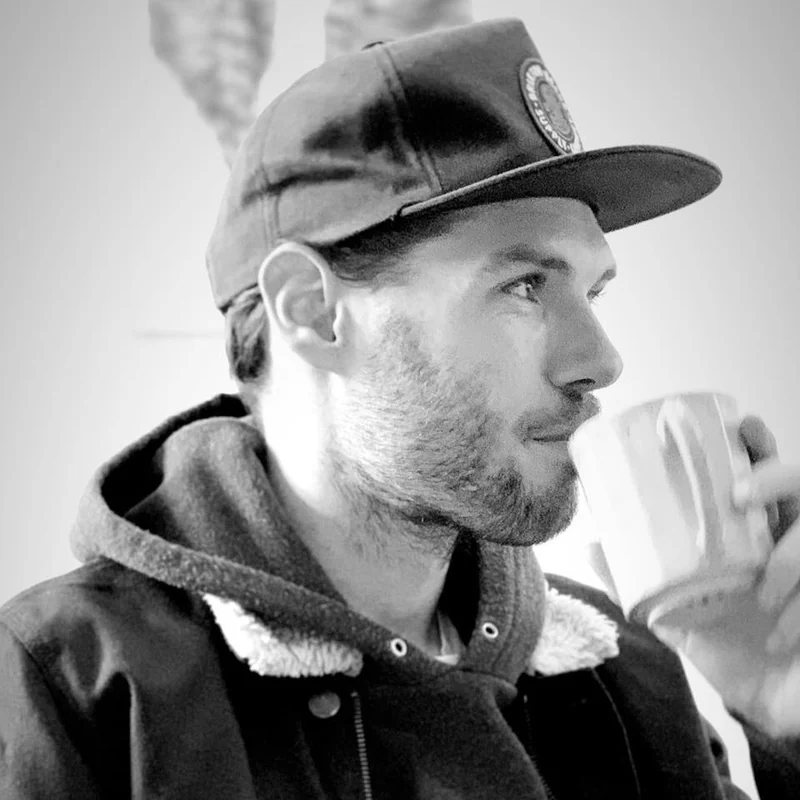 Daan Koekelkoren — producer and founder of Studio ZK. Has been making music and sound for campaigns, brands and cultural institutions in Amsterdam since 2016.
A hero film of 60 seconds becomes a 30, a 15 and a 6. Most music falls apart in the 6, because the hook sits too deep in the arrangement to reach. That is not a problem you solve in the edit suite. It is solved, or not, when the music is written.
Why does ad music fall apart in short cutdowns?
Because it was written for the longest version only. A track that builds for twenty seconds before the hook arrives has no hook left at six seconds, and an editor who cuts into the middle of a musical phrase gets a jump the ear notices straight away. The fix is to write the shortest version first and let the longer ones grow out of it.
Four rules we write by
- Put the hook where the shortest version can reach it. If the 6 needs the hook, the hook belongs in the first seconds of the arrangement, not after the build.
- Write towards the ending. On a 30-second spot the brand logo sits on the last two seconds. Every version ends on the same musical landing, so the brand moment sounds the same at every length.
- Take the tempo from the cuts. Note where the cuts and the product shot fall in the edit. If the cuts land every 1.7 seconds, there is a tempo that lands on them, and nothing has to be stretched later.
- Deliver every length at once. 30, 20, 10 and 6 seconds come out of the same session. Made afterwards, someone ends up trimming where it cannot be trimmed.
What changes per length?
| Length | Where it runs | What the music has to do |
|---|---|---|
| 60 seconds | Launch film, cinema, online hero | Build: room for an intro, a development and a payoff |
| 30 / 20 seconds | National TV, pre-roll | One idea, one build, the logo on the last two seconds |
| 15 seconds | TV tag-on, social, pre-roll | Start inside the idea, no intro |
| 6 seconds | Bumper ads, social | Hook and landing, nothing else; must also work with the sound off |
One piece with two exits
A launch film and a performance cutdown need different music, and not because one is better than the other. The first has time to build; the second has to land in two seconds. We write them as one piece with two exits, so they stay recognisably related. That is also the step towards a sonic logo: the short landing that every version shares.
What about social, where the sound is often off?
The edit has to work muted, and the music has to work in the first second for the people who do have the sound on. On social the attention falls at the start, not at the end. That is a different mix as well as a different arrangement; the levels per platform are on audio delivery specs for TV, radio and online ads.
How Boska used this
For the Boska TV campaign we wrote to the timing of the edit and delivered the broadcast master and the social cutdowns in one go, with a melodic hook simple enough to hum. Every version ends on the same landing.
When should a studio get involved?
At the first rough cut, not at the mix. At that point a cut can still shift half a second to fall on the music. Once the edit is locked, every musical choice becomes a repair. Send a rough cut as soon as one exists; we can usually tell within a day whether the tempo works. → Music for advertising