Behind the scenes: scoring a national campaign for Boska
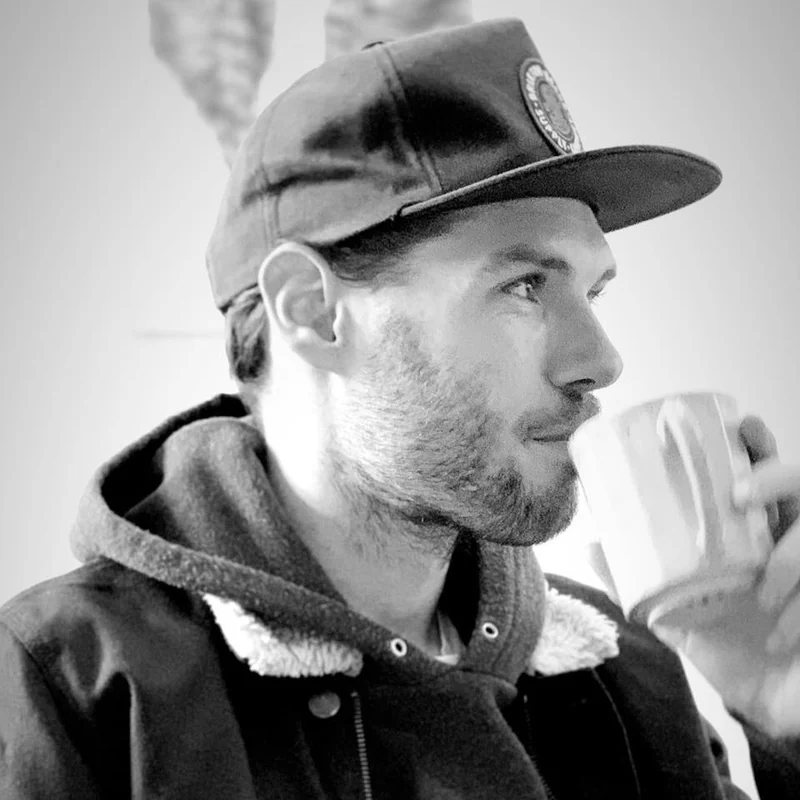 Daan Koekelkoren — producer and founder of Studio ZK. Has been building audio identities for brands, NGOs and cultural institutions in Amsterdam since 2016.
Boska makes the kind of kitchen tools that end up as the one cheese knife everyone reaches for, practical, well made, a little bit proud of it. When their ad was set to run on national television for multiple weeks, the brief was simple to say and harder to do: make it feel as warm and confident as the product itself.
Starting with the brand, not the brief
Before writing a note, we looked at what Boska already does well visually, clean, tactile, unfussy. That ruled out anything overly polished or "corporate." The direction we landed on was warmer and more handmade: real instrumentation, a human feel, nothing that sounded programmed.
Production
We handled the full musical production for the spot, composition, recording, and arrangement, built to the exact timing of the edit so every musical beat lands with a cut or a product shot, rather than just playing underneath it.
Post production, mixing, and mastering
For a campaign audio, the technical bar is different from social content: broadcast loudness standards, mix translation across very different TV speakers, and a soundtrack that has to hold up next to whatever's airing before and after it. We handled audio post production, mixing and mastering in house so the final spot was delivered broadcast ready, with no surprises at the technical review stage.
What does a TV campaign demand technically?
This is the part that works differently for a national broadcast than for social content, and where most surprises come from.
Dutch broadcasters work to the EBU R128 standard: the average level of a spot has to land at −23 LUFS, with peaks staying below −1 dBTP. That is not a guideline but a delivery requirement. A mix that is too loud gets turned down automatically, and then it does not sound louder, it sounds flatter than the spot before it.
In practice that means the dynamics have to live in the mix, not in the volume. A spot that gets its impact from being loud loses that impact at the first normalisation. A spot that gets its impact from contrast — a quiet moment right before the product shot — keeps it.
How do you write music to an edit?
Not by laying a track underneath and hoping it lands. The order we follow:
- Watch the edit with the sound off. Note which second the cuts land on and where the product shot sits. Those are the fixed points.
- Pick the tempo from those points. If the cuts fall every 1.7 seconds, there is a tempo that lands on them. Then nothing has to be stretched later.
- Write towards the ending. On a thirty-second spot the brand logo sits on the last two. Everything before it works towards that moment.
- Deliver multiple lengths at once. Thirty, twenty, ten and six seconds. Make them afterwards and you end up trimming where it cannot be trimmed.
That last point is the difference between music that fits the edit and music that sits under it.
How does that differ from a social cutdown?
| National TV | Social | |
|---|---|---|
| Level | −23 LUFS, peaks below −1 dBTP | Typically −14 LUFS, varies per platform |
| Listening situation | TV speaker, room, at a distance | Phone speaker or earbuds, close up |
| Sound on? | Almost always | Often not; the edit has to work muted too |
| Length | 20 or 30 seconds, fixed | 6 to 15 seconds, variable |
| Where attention falls | Build towards the end | The first second, or people scroll past |
The same music, two different mixes. A TV mix put on social unchanged sounds thin and too quiet there. The other way round, a social mix on TV sounds squashed.
What actually gets delivered on a campaign like this?
Not one file. A national spot usually ships about ten: the main mix at the length that airs, the same mix in the shorter cutdowns, a version without voice-over in case the script changes later, the separate music stems for future use, and a broadcast master that meets the station’s delivery spec.
That version without voice-over looks redundant and never is. Campaigns get extended, scripts get adjusted, and a brand that owns the instrumental does not have to come back into the studio for it.
When do you bring a studio in for this?
Not at the mix. That is the most common order and it is the most expensive.
If the edit is locked and the music still has to go underneath, every musical choice becomes a repair: the tempo has to fit cuts that already exist, and the build has to land on a product shot that is already placed. It can be done, and we do it regularly, but it almost always produces a compromise.
The cheapest version is being involved at the first rough cut. At that point a cut can still shift half a second so it falls on the music, rather than the other way round. That costs nobody extra time and the difference is audible.
Practically: send a rough cut as soon as one exists, even if nothing is final. We can usually tell within a day whether the tempo works.
What we take from this
The lesson that keeps showing up on projects like this: the brief is rarely "make it sound good", it's "make it sound like this specific brand, in this specific context, would sound." That's the difference between background music and sonic branding.
Read the full Boska case study for the complete brief to broadcast story, or explore our music for advertising service if you've got a campaign that needs the same treatment.